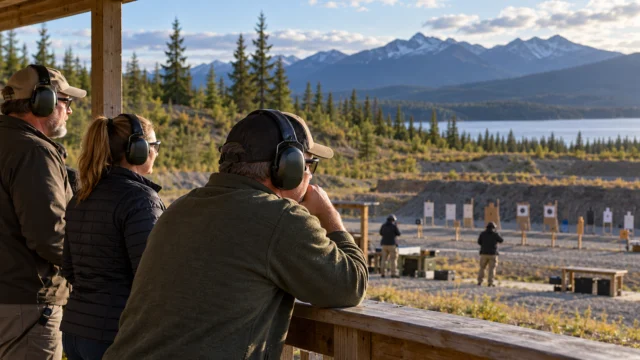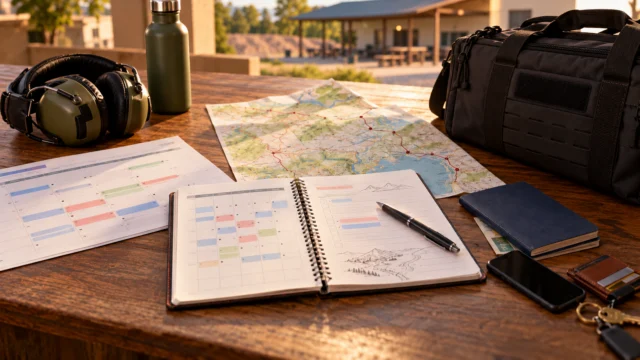

A first event can feel demanding because many details are unfamiliar at once. Practical preparation can remove some avoidable uncertainty, but it does not guarantee a calm day. Aim for a manageable experience rather than expecting to perform perfectly or feel no nerves.
Prepare the decisions that can be made early
Confirm the schedule, arrival route and required administrative information. Ask unresolved questions before the event where possible. A clear plan leaves fewer small decisions for a rushed morning.
Set a modest process goal such as reporting on time, understanding the day’s structure or asking a clear question. Keep technical training and participation requirements within the club’s qualified instruction.
| Area | Prepare | Realistic expectation |
|---|---|---|
| Travel | Route and spare time | Delays remain possible |
| Information | Current announcement and contact | Ask rather than guess |
| Daily needs | Food plan, clothing and personal items | Comfort supports attendance, not guaranteed results |
| Goal | One manageable learning objective | The day is more than a ranking |
Use familiar routines
Avoid adding an unfamiliar elaborate ritual because someone else describes it as essential. Prepare ordinary needs and follow any individual professional advice you already have. Sleep, health and medication questions belong with appropriate clinicians.
If you feel overwhelmed, tell the relevant staff member and use the event’s process. Do not conceal difficulty simply to appear experienced. A pause or decision not to continue may be appropriate depending on the situation.
- Resolve key logistical questions before departure.
- Choose one or two process goals.
- Ask for clarification rather than copying others.
- Seek qualified support if anxiety is persistent or affects daily life.
Review without a harsh verdict
After the event, distinguish what you controlled from what you did not. A delay or disappointing result does not erase a useful learning experience. Write one practical change for next time rather than a long list of personal faults.
This guide is not treatment for anxiety and does not prescribe a technique for every person. If distress is significant or recurring, appropriate professional help is more useful than forcing yourself through increasingly demanding events.
Questions and answers
Should I expect nerves to disappear completely?
Not necessarily. Focus on manageable preparation and appropriate support rather than a promise of perfect calm.
Can a checklist replace training?
No. It supports logistics. Qualified instruction and official participation requirements remain separate.
What if the experience feels overwhelming?
Tell the appropriate staff member and seek support. Do not treat continuing at all costs as the only acceptable outcome.